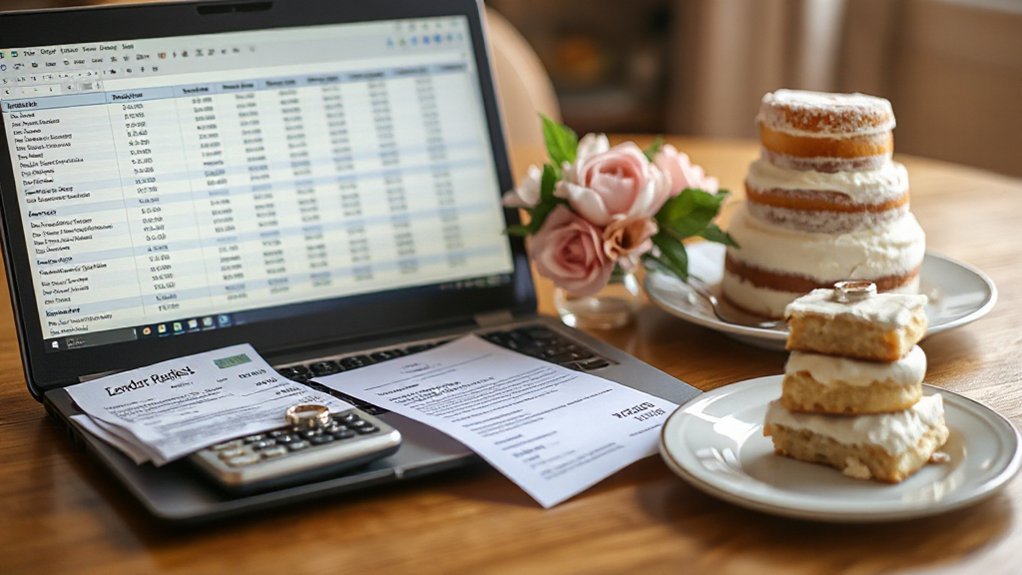
You want numbers, not Pinterest dreams. The average wedding runs about $30k—closer to $45k in big cities, nearer $18k in small towns. Guest count, venue, catering, and that open bar eat your wallet first. Prices creep up yearly, spike on Saturdays in peak season. Yes, you can hack it—trim the list, shift the date, simplify the booze. Want the receipts, line by line, no fluff?
Key Takeaways
- National average spend ~$30,000; big cities $45k+, small towns ~$18k; prices rise yearly with peak-season spikes.
- Largest costs: venue, catering, open bar, then photography, music, attire; venue choices cascade into rentals and staffing.
- Guest count, location, and season are biggest drivers; weekday dates and off-season flowers save most.
- Estimates use median line-item rates from surveys, invoices, vendor lists; taxes and tips included, travel excluded; outliers trimmed, region-weighted.
- Expect mandatory service/admin fees (18–25%) and gratuity (~18%), plus corkage and cake-cutting; confirm what’s taxable and who gets each charge.
What Couples Spend Today: National Averages at a Glance

How much does a wedding cost, really? You’re staring at spreadsheets, your aunt’s Pinterest board, and a cake that somehow costs more than a used car. Nationally, couples shell out around $30,000, give or take the DJ’s laser fog. Big swings, though. City blowouts hit $45k+, small-town charm slides closer to $18k. Yearly Trends? Prices creep up, then spike when venues book out and florists discover TikTok. Demographic Differences matter, too: late‑twenties pros lean formal and pricey, younger couples DIY, older duos skip extras, splash on food. You’ll spend most on venue, food, open bar, then photo, music, attire. Hidden killers: rentals, overtime, tips. Want relief? Short guest list, weekday date, off‑season flowers. Breathe. You’ve got options. Cut noise, fund what actually matters: moments.
How We Calculated the Numbers: Sources and Methodology

You want receipts, not fairy dust, so here’s where the numbers came from—national surveys, vendor price lists, and real invoices from couples who actually paid the bills. We cleaned the data, cut out obvious outliers—looking at you, $300,000 llama parade—and weighted costs by region and guest count. Assumptions are transparent: standard Saturday weddings, no celebrity discounts, and taxes and tips included, because yes, those hurt.
Data Sources Used
In plain terms, these numbers come from people who actually paid the bills and the folks who sent them invoices. You’ll see real couples, swiping cards for venues, DJs, and that cake your aunt said was “a bit much,” plus vendors logging what they charged, line by line. Then we sanity-check with government databases—think BLS price indexes and census figures—so one pricey Manhattan ballroom doesn’t hijack the national story. We also pull industry reports from planners, caterers, dress shops, even rental warehouses, because chairs, weirdly, aren’t free. Add card processors’ anonymized spend trends, booking platforms’ averages, and venue directories’ rate ranges. And yes, we read the fine print, twice. If a source smelled like glitter and wishful thinking, it didn’t make the cut. Anyway.
Methodology and Assumptions
Because weddings love chaos, we forced the numbers to behave.
We cleaned duplicates, trimmed outliers, and adjusted for region, season, and guest count. You care about real money, not fairy dust, so we priced line items at median rates, then tested ranges. That’s our Assumption Sensitivity: nudge the guest list, swap a Saturday for a Sunday, watch totals jump like a flower girl. We converted everything to dollars, because 2019 prices belong in a scrapbook. Exclusion Criteria? We cut destination elopements, barter deals, influencer freebies, and Uncle Larry’s “free” barn if it lacked permits. When vendors bundled, we unbundled, then re-bundled sanely. Taxes and tips included, travel not. Finally, we weighted urban versus rural, so your results don’t look like Manhattan wearing cowboy boots.
The Big Ticket Items: Venue, Catering, and Bar
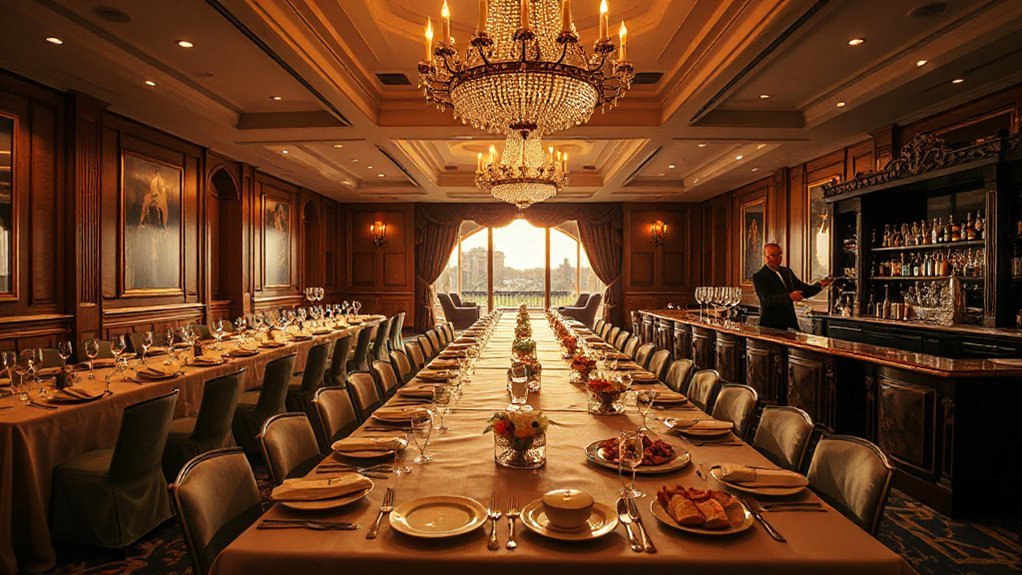
Most budgets explode right here: venue, catering, and the bar—the holy trinity of “how did we spend that much?” The venue sets the tone and the tab, with rental fees, minimums, and oh look, a 22% service charge that isn’t optional. You pay for space, time, and chairs that apparently descended from royalty. Venue Layouts matter; awkward rooms mean extra decor, extra staff, extra sighs. Catering? You’re buying smiles and forks. Nail Catering Portions, or you’ll run out of sliders right before Grandma gets one. The bar? It’s your joy machine, and your budget blender.
Venue, catering, bar: where budgets vanish, smiles cost, and chairs have titles.
- Open bar tiers: beer/wine, call, premium—each rung adds bucks and bravado.
- Food format: plated, buffet, stations—staffing swings with it.
- Hidden add-ons: corkage, cake-cutting, overtime, valet, rentals.
Essential Vendors: Photography, Videography, Music, and Planning

So the room’s booked and the bar’s a money hose—great, now you need the people who make it look and sound like a wedding instead of a very expensive lunch. Start with photography: it’s memory insurance, not optional. Ask for full galleries, not just the highlight reel, then read vendor contracts like they owe you money. Videography? Worth it if you want vows, voices, ugly-cry audio. Confirm two cameras, clean sound, backup plans. Music sets the pulse; a great DJ reads the room, a mediocre one reads Facebook. Vet playlists, do-not-plays, power needs. Planning saves sanity. A month-of pro wrangles timelines; a full planner builds creative timelines, herds vendors, slays chaos. Tip: bundle where it makes sense, but never pay in full early. Ever.
Style and Details: Attire, Beauty, Florals, and Decor
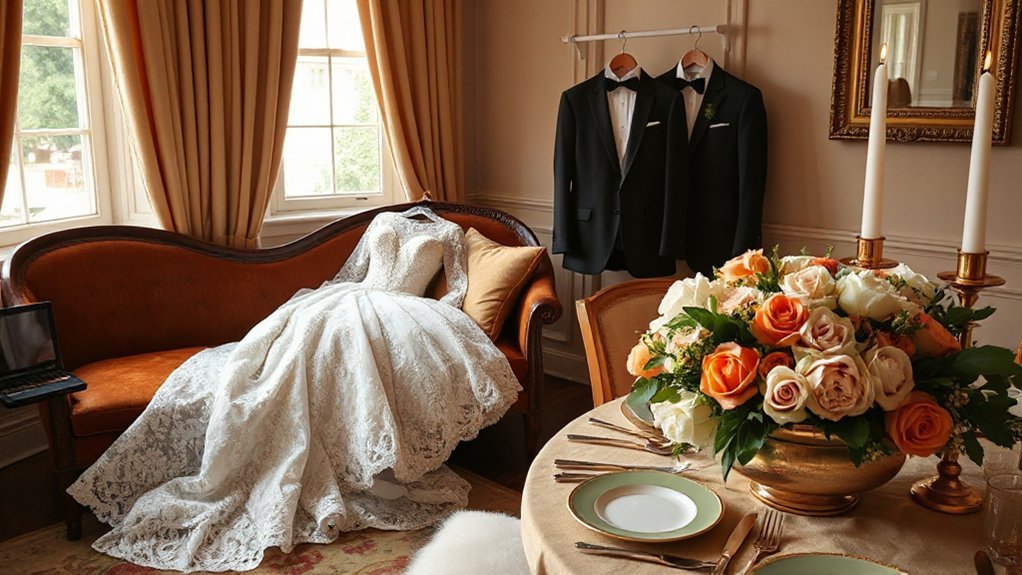
Dressing the day is where your taste, your budget, and your mother collide in a three-car pileup—fun! You pick attire first: a suit that fits, a dress that breathes, maybe Sustainable Fabrics so you don’t sweat guilt with the champagne. Hair and makeup? Polished, not plastered. Think glow, not shellac. Florals set tone fast—bouquets, a wild aisle runner, buds tucked in napkins. Decor finishes the story: candles, clean linens, a neon sign that screams, yes, you.
- Start with silhouette and comfort, then add drama.
- Choose a floral hero, repeat it three times, stop.
- Layer details: Vintage Accents, textures, tiny signs guests actually read.
Edit brutally. If it doesn’t spark, cut it. You’re curating, not hauling a craft store. Leave some breathing-room.
The Variables That Move Your Budget: Location, Guest Count, and Season
If you want to know why your budget keeps shape-shifting, blame three bullies: where you throw the party, how many people you feed, and when you do it. Location first. City rooftop with skyline selfies? You’ll pay for that view, plus Neighborhood Demand, plus parking that costs more than dessert. Country barn an hour out? Cheaper venue, pricier Travel Logistics, and Aunt Linda gets lost. Guest count next. Every new RSVP drags chairs, plates, favors, and cake slices behind it like a conga line. Ten guests here, a thousand dollars there. It snowballs. Season last. June Saturdays are surge pricing with peonies; November Fridays are deals with sweaters. Want control? Trim the list, pick an off-peak date, and be ruthless about zip codes too.
Hidden Costs and Line Items Couples Miss
Here’s where the bill grows fangs: you run 20 minutes late, the DJ smiles, and bam—overtime and overages hit like a parking ticket with confetti. Then the “service charge” and gratuity sneak on, not a tip jar but a whole casserole dish, and guess who’s paying. Oh, and that cake you lovingly hauled in and the wine Aunt Linda insists on—cake-cutting and corkage fees, baby, charged by the slice and the bottle.
Overtime and Overages
By the end of the night, the clock morphs into a slot machine, and every extra minute spits out a fee. You think you’ve got time. You don’t. Venues charge by the hour, DJs by the set, photographers by the sliver of light left. Blow past curfew, and suddenly you’re negotiating Permit extensions with a clipboard cop and a tired manager. Cake’s sweating, Uncle Ron’s dancing like electricity costs nothing.
- Venue overtime: per-15-minute billing, lights, security, HVAC, the whole circus.
- Vendor overages: DJ, photo, video, transport—each with minimums you forgot to read.
- Emergency staffing: extra bartenders, extra attendants, a surprise valet because the shuttle ghosted.
Know your thresholds. Pad the timeline. Cue song early. When in doubt, leave loud, not late.
Service Charges and Gratuities
Overtime drains your wallet in public; service charges pickpocket you in the coatroom. You book a package, think you’re set, then bam—an 18–25% “service” line appears. Not a tip. Not optional. It covers managers, dishwashers, maybe just “operations.” Gratuities are separate, and people expect them. Read contracts, circle every fee, ask what’s included. Clarify Legal implications if you refuse, and Tax treatment—some fees are taxable, tips aren’t. Negotiate caps, bundle labor, confirm who gets paid.
Line Item | Looks Like | Reality
— | — | —
Service charge | 22% smile | Mandatory fee, not tip
Gratuity | 18% nod | Goes to staff, usually now
Admin fee | Paperwork goblin | House keeps it only
Banquet setup | Linen magic | It’s labor hours today
Cake-Cutting and Corkage Fees
While you’re picturing a cute cake smash and a champagne pop, the venue’s picturing line items with teeth: cake-cutting and corkage. You bring a bakery cake? They may charge per slice to cut, plate, and pretend napkins grow on trees. Same with wine you supply—hello, corkage, a fee so your bottle can breathe. Ask what’s included: servers, plates, late-night slicing.
- Ask numbers: cake-cutting $2–$8 per slice; corkage $10–$30 per 750ml. Multiply by guests, breathe.
- Timing etiquette: cut after dinner to keep service sane; toast before speeches, or watch chaos bloom.
- Cultural variations: sheet cakes for budget, aunt’s homemade wine, or towering mille-feuille—policies shift.
Negotiate bundles, waive fees if you hit bar minimums, or swap dessert stations. Get it in writing.
Build Your Plan: Sample Budgets From $10k to $50k+
Let’s cut to it: we’re building real wedding budgets—from $10k scrappy-chic to $50k‑plus blowout—so you can see where the money actually goes. Start with a Priority Matrix: rank what you actually care about—food, photos, venue, music—then shove cash there, starve the rest. At $10k, think courthouse vows, backyard tacos, Spotify DJ, thrifted decor, one great photographer for three hours. $20k buys a weekday venue, buffet, real DJ, simple florals, better bar. $35k gets Saturday glamour, plated dinner, lush bouquets, full photo-video. $50k+? Big room, live band, open bar that makes your uncle dance like Wi‑Fi’s down.
Now your Savings Timeline: monthly targets, deposits, final balances. Pad 10% for whoops. Track spend, pivot fast, and kill scope creep. You’re the CFO, remember? Act like it.
Conclusion
You’ve seen the numbers: about thirty grand on average, more in big cities, less in small towns. You control the guest list, the date, the menu—aka the money spigots. Trim seats, pick a Tuesday, ditch the top-shelf showboating. Splurge on what you’ll remember, rent the rest, label your “nope” pile. Budget like a bouncer, feelings on the curb. Dance anyway. It’s your party, not a hedge fund. Champagne taste, seltzer budget? Fine. Clink, not clunk.



Leave a Comment