
Your friend paid $11,200 for a “bargain” barn, proof venues are like airline seats—you all land, prices don’t. You’ll see $4k–$15k average, medians around $10k–$12k, and city Saturdays blasting past $20k before napkins. Region, season, headcount, boom—costs multiply. Then come service fees, rentals, insurance, overtime, surprise! You want the view, not the wallet hangover. Stick with me while we pry open line items and the fine print sharp enough to bleed.
Key Takeaways
- Typical venue rental range $4k–$15k; median around $10k–$12k; city Saturdays often exceed $20k before extras.
- Mean averages are skewed upward by lavish venues; median better reflects what most couples actually paid.
- Costs swing by region and season: coastal/metro highest; spring/fall Saturdays peak; weekdays and winter discounts possible.
- Guest count drives total costs via food, rentals, staffing; set budget first, then adjust guest list.
- Expect add-ons beyond site fee: per-person catering/bar, 20–28% service charges, taxes, rentals, insurance, overtime.
What Newlyweds Actually Paid: A Snapshot

Three numbers, that’s the gist: most couples shell out somewhere between $4,000 and $15,000 for the venue, the middle landing around ten to twelve grand, and city Saturdays can blast past $20k before the champagne even sweats. You see it in receipts, not dreams. A barn with twinkle lights? Eight grand, plus the “rustic” surcharge. Downtown loft with skyline views? Twelve to sixteen, and that’s before chairs. You’ll juggle payment methods, swear you’re done, then add heaters because Aunt Linda gets cold. Perceived value rules the day. If the space makes your mom cry, you’ll justify the bill. If the manager ghosts you, you’ll walk. Ask for what’s included, and what’s extra. Read the contract twice, then underline the surprises. No napkins thrown, promise.
Average Vs Median: Making Sense of the Numbers

Those receipts are loud, but the stats are sneakier. You hear “average” and picture a tidy middle, neat bow, done. Not so. A few blowout venues, chandeliers for days, can yank the mean sky-high. That’s one of the classic Mean pitfalls. The median, meanwhile, is the stubborn middle kid; half paid more, half paid less, no drama, fewer mood swings. When you’ve got Skewed distributions—like three couples splurging on castles while everyone else books barns—the median tells the truer story. Still, don’t ignore the mean; it hints at how wild the top can get. Use both, side by side, like headlights. Want reality, not fairy dust? Trust the median first, then peek at the mean for sticker-shock context. It saves budgets, arguments, and expectations.
Costs by Region, Season, and Guest Count
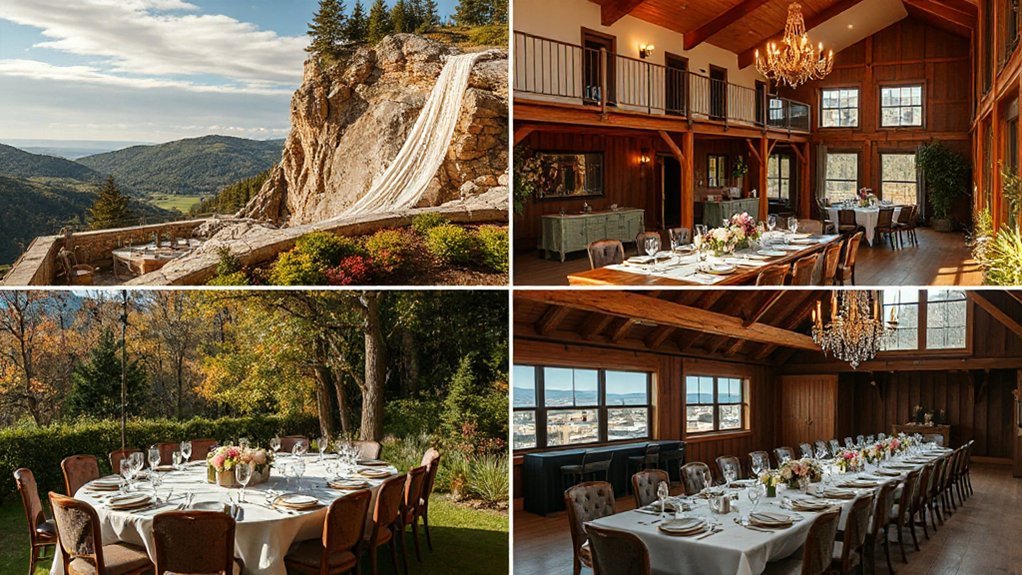
You’ll see venues swing hard by location—coastal city loft, bring a second wallet; small-town barn, you might actually breathe. Seasons mess with prices too—June Saturdays cost like concert tickets, while a Tuesday in February? Practically a coupon. And guest count, the silent wallet vampire—80 people is cozy, 200 is “why are we feeding your cousin’s plus-one named Kyle?”
Regional Price Differences
Start by blaming geography, because it’s ruthless. You pay city prices for skyline bragging rights, small-town prices for elbow room and sheet cake. Coastal metros invent fees you didn’t know existed; rural barns, meanwhile, charge less but book faster. Why? Cultural expectations push bigger spaces, bigger tabs. Vendor density matters too; more caterers and florists means competition, which can trim damage. You, savvy human, should map venues like a storm tracker, then compare apples to rooftops: parking, transit, noise rules, and the dreaded minimums. Guest count? Yes, it bullies totals, but the ZIP code sets the tone.
| Region | Typical Range | Why It Swings |
|---|---|---|
| NYC | $12k–$25k | High demand, tight space |
| Suburbs | $6k–$12k | Vendor density helps |
| Rural | $3k–$8k | Land cheap, fewer extras |
| Destination | $8k–$18k | Prestige, logistics |
Seasonal Rate Fluctuations
Geography sets the stage, but the calendar calls the shots. Spring and fall? Prime time, prime prices. June Saturdays and crisp October weekends vanish first, and venues flex, hard. Weekdays shave dollars, same walls, less drama. Dead of winter looks cheap until you add heaters, snow plans, and that “surprise blizzard” fee. Summer brings sunshine tax, plus AC that hums like a jet. Holidays spike rates, because twinkle lights apparently cost extra. You’re also paying for daylight; better photography lighting at golden hour keeps vendors later, which isn’t free. Then there’s weather volatility, the world’s rudest planner, pushing you toward tents, generators, backups-on-backups. Want a bargain? Pick shoulder months, book early, stay nimble. Romance, yes. But read the cancellation policy. Twice. For your sanity.
Guest Count Impact
Count heads like a bouncer, because every body costs twice—once in food and once in stuff. Big guest list, big bill. Venues price by capacity and nerves. You add ten cousins, you add tables, linens, centerpieces, chairs, bartenders, security, more bathroom lines. Buffets balloon, plated dinners pout, bar packages leap. Small guest list? Cheaper, and you get conversational intimacy, not a shouting match. But dancefloor density matters: too few, it’s awkward; too many, it’s a sweaty mosh pit with Aunt Linda. Aim for that sweet spot, about 30–40 percent on floor at once. Run the math backward: budget first, then guest count. Trim the maybes, exile the guilt invites. Your future self will sleep. And photos? Wider smiles, fewer strangers, better hugs, less debt.
Venue Types Compared: Barns, Ballrooms, Restaurants, and More
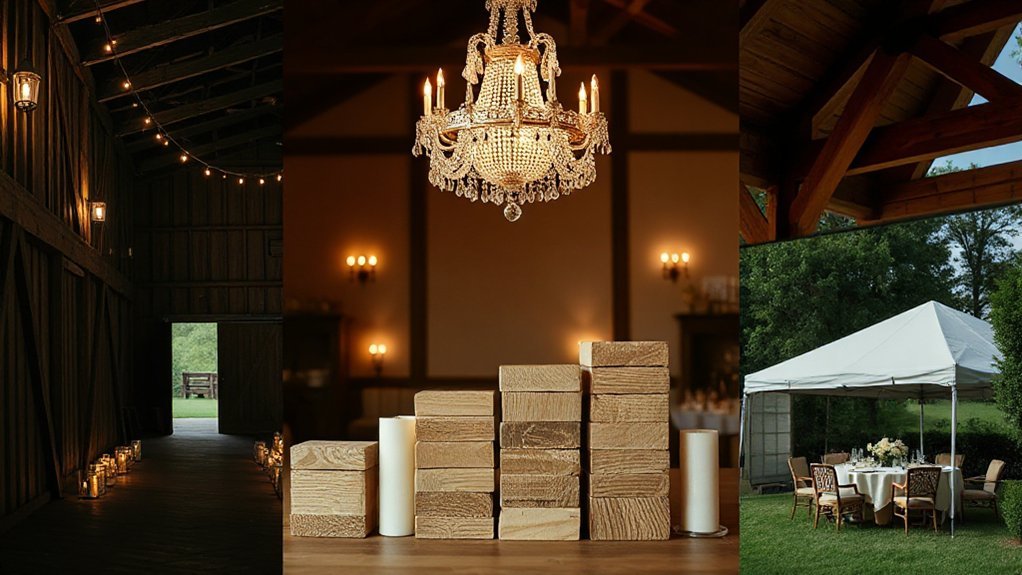
Let’s sort the chaos: barns, ballrooms, restaurants—same vows, wildly different price tags, so you’ll want a clean cost breakdown before your budget taps out. Ballrooms bundle the big stuff—tables, chairs, lighting, staff—while barns woo you with twinkle lights, then charge you for heaters, restrooms, and that extra generator you forgot existed; restaurants sit in the middle, food-first, decor-light. And city vs country? Easy—urban spots charge like rent’s due tomorrow, rural venues cost less, until you add shuttle buses and that cute-but-far portable bar.
Venue Cost Breakdown
Rip off the Band-Aid: different venues bleed your wallet in different ways. Barns lure you with fairy lights, then charge city money for generators and parking. Ballrooms look pricey upfront, but at least you get pricing transparency. Restaurants? Cheaper room fees, higher food minimums. Lofts, rooftops, museums—fun, but watch the fine print and the clock.
- Site fee vs. minimums: barns and lofts big fee, restaurants low fee, fierce minimums.
- Food and bar: per‑person pricing piles up fast, cocktails are tiny budget vampires.
- Service charge and taxes: 20–28%, mandatory, nonnegotiable, cue deep sigh.
- Vendor commissions and “preferred lists”: convenient, sometimes pricier, ask who gets paid.
- Time costs: setup, strike, overtime, and curfew dings.
Add it up, breathe, then cut guests before you sell a kidney.
Amenities and Inclusions
While every venue swears it “includes everything,” the fine print decides whether you’re getting a turnkey dream or a pretty box you have to fill. You want clarity, not fairy dust. Ask who sets chairs, flips rooms, and manages rain plans. Demand timelines, staffing counts, and backup power. Pet Accommodations matter too—can your dog carry rings without a lawyer present? And sustainability isn’t a mood board; look for Sustainability Certifications, real recycling, not decorative bins. Oh, and rentals: linens, chargers, goblets, all those sparkly wallet traps.
| Venue Type | What’s Included | Watch Outs |
|---|---|---|
| Barn | Farm tables, string lights | Noise curfew, DIY cleanup |
| Ballroom | AV, staging, catering | Service fees, exclusive vendors |
Restaurants can be gems: built-in food, chairs, bathrooms, glory. But limited dance space, strict turnover.
Urban Vs Rural Pricing
You nailed the “what’s included” scavenger hunt; now the bill swings on geography. In cities, ballrooms and rooftop restaurants charge like they’re renting the skyline. In farm country, barns look cheaper, until you add generators, shuttles, and cousin Earl’s hay allergies. Price follows density, noise rules, and how hard vendors must hustle. Think delivery windows, parking fights, surprise permits, then exhale.
- Urban ballrooms: high rent, strict Zoning Regulations, pricey overtime for elevators and union crews.
- Downtown restaurants: minimums spike on weekends, but decor’s baked in, so fewer rentals.
- Warehouse venues: cool photos, costly lighting, and yes, the restroom trailer isn’t cheap.
- Rural barns: lower site fee, big Transportation Access costs—buses, longer vendor drives.
- Countryside estates: flexible curfews, but sound limits, generator fuel, and tents.
What’s Typically Included (and What Isn’t)
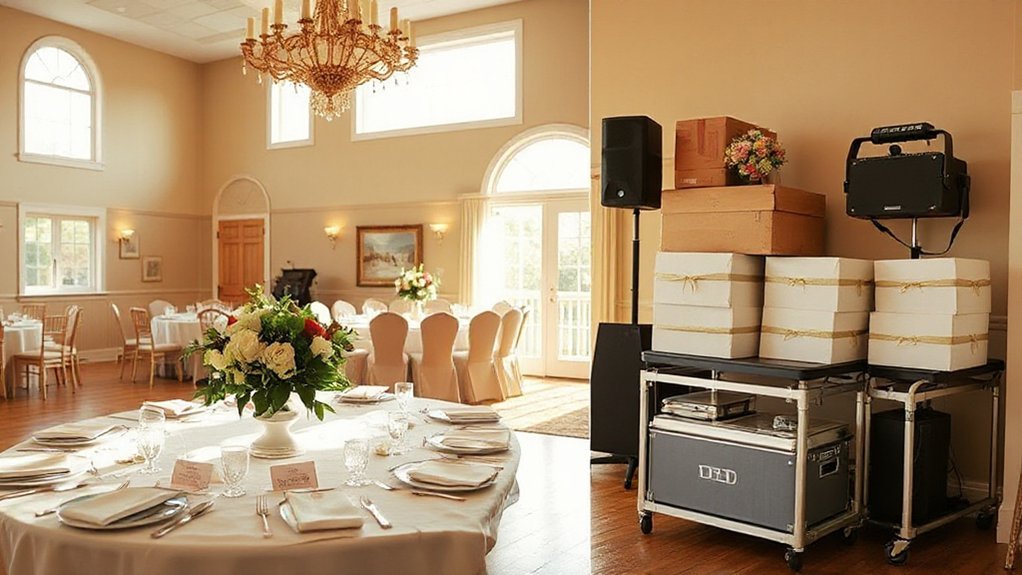
Because venues adore fine print, the “price” usually buys you the space, a set time block, tables and chairs that have seen things, basic linens, standard setup and teardown, and maybe a venue coordinator who wrangles the timeline but not your cousin.
You’ll get trash bins, a few extension cords and power strips. Ceremony spot? Often yes, but the arch is on you. Getting-ready rooms vary wildly—sweet suite or fluorescent closet. Audio and lighting are basic, if present. Parking could be ample, or a street-parking scavenger hunt. What’s not included: decor, signage, specialty glassware, or wrangler for Uncle Roy. Bring Liability insurance; venues won’t bet on your dance moves. And mind Vendor restrictions—some bless approved DJs. Rehearsal time and overtime? Ask, get in writing.
Hidden Fees and Add-Ons: Catering, Rentals, Service, and Tax
After the tour glow fades, the fees crawl out from under the cocktail tables. You booked the pretty room; now the add-ons want rent money. Catering? That “per person” price doesn’t include bread, or forks, sometimes not even water. Rentals multiply like rabbits: chairs, better chairs, the chairs you actually want. Service charges look like tips, aren’t tips, and yes, you’ll still tip. Taxes land last, like a bouncer.
- Catering minimums, plus cake-cutting, corkage, and menu “enhancements”
- Rentals: upgraded linens, ceremony chairs, heaters, backup tent
- Service charge, admin fee, gratuity—three different gremlins
- Liability Insurance the venue requires, bought on your dime
- Overtime Penalties when Uncle Joey won’t leave the dance floor
And cleanup? That’s extra, too, especially glitter. Spoiler: glitter never leaves, ever, anywhere.
How to Build a Realistic Venue Budget and Negotiate
How do you stop the venue bill from shape-shifting every time someone says “Chiavari”? Start with a realistic ceiling, then back into it. List what guests will actually feel: food hot, music audible, bathrooms not haunted. Build a priority matrix, ruthless and honest. Get three quotes, same headcount, same timeline. Ask for line items, not vibes. Circle sneaky contract clauses: service minimums, “preferred” vendors, overtime, rain plan fees. Then negotiate like a neighbor, not a gladiator. Offer trade-offs: weekday, longer hold on deposit, simpler layout. Ask for value adds—setup staff, extra hour, ceremony chairs. Hear “no”? Smile, pivot, walk. You’ve got this.
| Must-Have | Trim/Negotiate |
|---|---|
| Venue hold time | Off-peak date |
| Power, restrooms | BYO decor limits |
| Rain plan | Reduced bar hours |
| ADA access | Waived chair upgrade |
Conclusion
You’ve got this. Think of venues like airline seats: my cousin chased a “$10k” ballroom, then—boom—Saturday urban surcharge, rentals, service, tax—final bill? $21,430. Turbulence happens. So pick your cabin: barn, restaurant, museum. Mind season and headcount, because more guests equal more dollars, shocking, I know. Demand line-item quotes, circle hidden fees, cap overtime, confirm insurance. Set your ceiling, negotiate perks, walk if it smells pricey. It’s your party, not their ATM. Keep receipts, breathe, celebrate, loudly.






Leave a Comment