Choosing the perfect wedding venue is one of the most important steps in planning a wedding. It sets the tone for the entire day and shapes the guest experience. To make the best choice, couples need to ask the right questions that cover availability, costs, capacity, and important logistics before booking. This helps avoid surprises and keeps the planning process smooth.
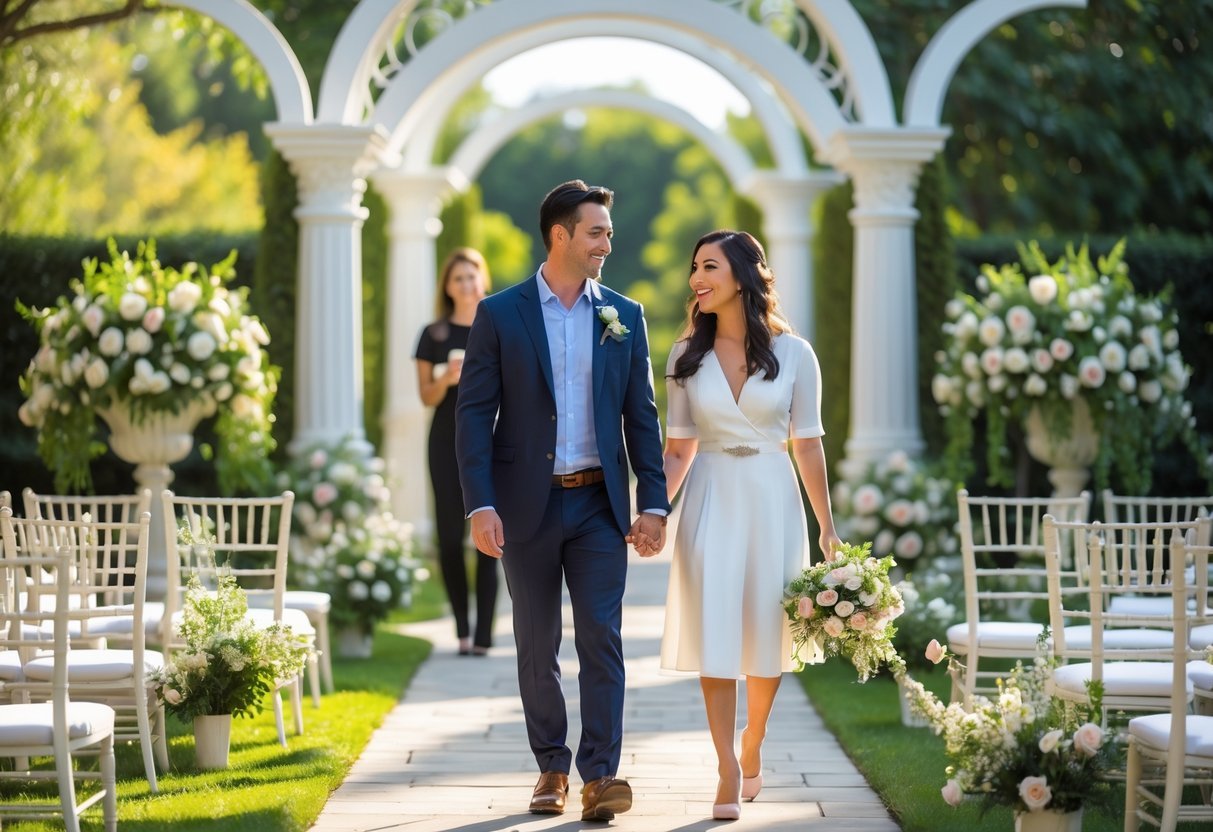
Knowing what to ask also helps narrow down options and find a place that fits both the couple’s vision and budget. From understanding rental fees to checking for backup plans in case of bad weather, these questions ensure every detail is covered. Couples who come prepared with the right questions feel more confident and ready to choose a venue they love.
This guide shares 15 key questions that every couple should ask when searching for their dream wedding venue. It will help them focus on what matters most and make a clear decision without stress.
Key Takeaways
- Couples should clarify venue details to match their vision and budget.
- Asking about space, timing, and policies prevents day-of issues.
- Being prepared helps make confident and stress-free venue choices.
Identifying Your Wedding Venue Needs

Finding the right wedding venue means knowing exactly what the couple needs. Important details like how many guests will attend, where the venue is located, and if it can hold both the ceremony and reception must be clear before making a decision.
Guest Capacity and Headcount
One of the first things to figure out is the number of guests expected. The wedding venue should comfortably hold everyone on the guest list. It’s important to check the maximum capacity of a venue to avoid overcrowding or feeling empty.
Couples should think about whether they want a small, intimate gathering or a large celebration. This choice affects space layout, seating plans, and even the style of the venue. Venues often have different rooms or outdoor spaces that suit various group sizes.
Knowing the headcount early helps narrow down choices quickly. It also keeps the wedding planning budget on track, since many venues charge by the number of guests or have minimum guest requirements.
Preferred Location and Setting
The location of the wedding venue sets the whole mood for the day. Couples might want a spot near home for easy travel or somewhere special that fits their story. City venues offer convenience, while countryside or beach spots bring a unique, scenic backdrop.
The setting matters a lot. Do they want an outdoor garden, a historic building, or a modern ballroom? Each type offers different vibes and photo opportunities.
Accessibility is also key. Making sure the venue is easy to reach for guests and has parking or transport options can reduce stress on the big day. Couples should consider travel time and accommodation if many guests are coming from out of town.
Ceremony and Reception Options
Some couples want both the ceremony and reception in one place, while others prefer separate venues. Venues that offer options for both parts of the day can make the schedule smoother and easier to manage.
It’s important to ask if the venue has indoor and outdoor spaces for the ceremony or options for bad weather. Flexibility in setup, like space for dancing, dining, and speeches, should be available.
Couples should also check if the venue provides tables, chairs, or other essentials. Some places include these in the rental price, while others require outside rentals. Knowing what’s included helps plan the rest of the wedding setup without surprises.
Essential Questions to Ask Every Wedding Venue

Choosing a wedding venue means knowing the details that affect your big day. It’s important to ask about when the venue is open, what comes with the rental, how long you get to use the space, and how accessible the site is for all guests.
Available Dates and Seasons
The first key question is about availability. Couples should ask if their preferred date or season is open. If their date is flexible, they can find out which weekends or months have openings to compare options.
It’s also smart to ask how far in advance they need to book. Some venues require reservations a year ahead, while others might be more flexible. Knowing this helps avoid missing out on the perfect spot.
Asking about peak and off-peak seasons can also save money. Some venues offer discounts during less busy times. This can be a big help for couples on tighter budgets who still want a great location.
Included Amenities and Services
Couples must clarify what comes with the venue rental fee. This can include tables, chairs, linens, sound systems, and even event coordination help. Understanding exactly what’s included means fewer surprises and extra costs later.
It’s useful to ask what the venue does not provide. Couples might need to bring in their own caterers, decorations, or bakery. Knowing this early helps with planning and prevents confusion on the wedding day.
Some venues also offer extras like dance floors, lighting options, or outdoor tents. Couples should ask if these are part of the package or if they cost more. This ensures their vision fits with what the venue offers.
Rental Packages and Timeframes
Asking about rental time is crucial. Couples should find out how many hours they get for their ceremony, reception, setup, and cleanup. Knowing the exact schedule helps avoid overcharges for going late.
It’s also important to ask if there are different rental packages. Some venues allow half-day or full-day rentals, while others may include overnight stays or multiple events in one day.
Couples should inquire about fees for extending rental time. Even an extra 30 minutes can have a price. Clear communication ensures no surprises in the final bill.
Accessibility and Accommodations
Making sure the venue is accessible to all guests is essential. Couples should ask if the site has ramps, elevators, and accessible bathrooms. This ensures family and friends with mobility challenges feel welcome.
It’s also important to check parking availability and costs. On-site parking makes it easier for guests, while some venues charge fees or have limited spots. Couples can plan to cover the cost or arrange alternative transportation if needed.
Asking about nearby hotels and public transport options helps guests who travel. Couples should confirm if the venue can recommend places nearby to stay or if there are good ride-share services available.
Understanding Food and Beverage Policies

Knowing how a venue handles food and drinks can save a lot of stress and surprise costs. The rules about caterers, alcohol, and extra fees vary, so it’s important to ask clear questions and get details in writing.
In-House vs. Outside Caterer
Some venues only allow their in-house caterer, which means couples must use the venue’s food service team. This often simplifies planning but might limit menu choices. It’s important to ask if outside caterers are allowed.
If a venue permits an outside caterer, it gives more flexibility. However, there could be restrictions like extra fees or insurance requirements. Couples should confirm any vendor rules, delivery times, and setup limits to avoid surprises on the wedding day.
Checking if tastings are available and if there are extra costs for kitchen use can also make a big difference when deciding between caterer options.
Alcohol Options: Open Bar and Cash Bar
Venues often offer different alcohol service styles. An open bar means the couple covers all drink costs, giving guests free access to drinks. This can be expensive but creates a fun, relaxed atmosphere. Knowing if there’s a minimum spending requirement for the open bar is key.
A cash bar means guests pay for their own drinks. This lowers the couple’s costs but can affect guest enjoyment or social feel. Some venues may require a minimum purchase or limit what drinks are available.
Asking about drink packages and if bartenders are included in the fee helps understand the full price.
Corkage Fee and Bar Restrictions
If couples want to bring their own alcohol, many venues charge a corkage fee. This is a set price per bottle or person for handling outside drinks. It can add up, so knowing the exact fee before signing the contract is essential.
Some venues have strict bar restrictions, such as rules about open flames, alcohol limits, and closing times. Some also limit the types of alcohol served or require licensed bartenders.
Understanding these rules early means couples can plan accordingly and avoid last-minute changes or fines.
Clarifying Venue Rules and Vendor Policies

Understanding the rules a venue has and its policies for vendors helps avoid surprises later. It’s important to know which vendors are allowed, how flexible the venue is with outside services, and any limits on decorations or setups. These details shape how the event will look and feel.
Approved and Preferred Vendors
Many venues have a list of approved or preferred vendors. These vendors are usually trusted by the venue and know its rules well. Using them can simplify planning because the venue already works with them regularly.
However, some venues require couples to hire only from their lists, limiting choices. Others allow outside vendors but may charge extra fees or ask for proof of insurance. It is vital to double-check what the venue demands about vendor insurance or licenses. This can include caterers, photographers, DJs, and florists.
Asking about vendor approval upfront keeps the event smoothly moving and avoids last-minute vendor rejections or extra costs.
Vendor Flexibility and Customization
Some venues offer more flexibility with vendors, letting couples bring in anyone they want. This freedom allows more customization, like choosing a unique caterer or a favorite band.
Still, venues often require vendors to follow certain rules about arrival times, setup, and noise levels to keep the day on track. Knowing these limits helps vendors plan better, preventing delays or conflicts.
It’s also smart to confirm if vendors can start setup early or need to share space with other events. Understanding these details makes the collaboration between venue and vendors smoother, ensuring the couple’s vision is possible.
Décor and Setup Restrictions
Venues usually have rules about décor to protect their space. Couples should ask if they can bring their own decorations or if there are limits on hanging items, open flames, or confetti use.
Some places provide décor items like lighting or vases, which can save money and effort. If a couple wants to add things like candles or sparklers, they must check if these are allowed and what safety rules apply.
Also, it’s important to know how much freedom there is to rearrange furniture or set up special features like lawn games or photo booths. Clear rules about décor and setup help avoid damage fees or last-minute changes.
Logistics, Parking, and Guest Experience
Planning for how guests arrive and move around the venue can make a big difference in their comfort and enjoyment. Easy parking, helpful staff, and access for everyone ensure the day flows smoothly.
Parking Space and Valet Service
The venue’s parking options matter a lot. Guests need enough space to park without stress. Ideally, there should be at least one parking spot for every two guests to avoid congestion.
Valet service can add a touch of luxury and save guests time looking for a spot. Check if the venue offers this and what the cost is. If valet isn’t available, see if nearby parking lots or street parking options exist. Also, find out if parking is free or paid, and whether there’s clear signage to guide guests.
Onsite Staff and Coordination
Having friendly, organized onsite staff can improve the whole experience. The venue should provide a coordinator or point person to help with logistics on the wedding day.
This staff can guide vendors, direct guests, and troubleshoot problems fast. Ask about how many staff members are available and what tasks they handle. Knowing when vendors can begin setup—and if overnight setup is allowed—helps avoid last-minute stress.
Accessibility for All Guests
Making sure every guest can enjoy the event is very important. The venue should have ramps, elevators, or other features if guests use wheelchairs or have mobility issues.
Check the number and location of restrooms, and whether any have special accommodations. Clear pathways and easy-floor surfaces also help. A disability-friendly venue shows care and consideration for all attendees, keeping the day welcoming for everyone.
Planning and Making It Official
Booking a wedding venue means handling important details like contracts and payments. It’s also key to understand deposit rules and cancellation policies. Staying organized with tools like a wedding binder helps keep everything on track to avoid last-minute stress.
Contracts and Payment Terms
Before signing anything, it’s essential to read the entire contract carefully. The contract should clearly list what the rental fee covers, including hours, included items (tables, chairs, lighting), and any extra charges for overtime.
Payment terms usually explain the schedule for deposits and final payments. Knowing when payments are due and how they must be made helps avoid surprises.
Make sure the contract states the policies on vendor rules, setup times, and any restrictions. Getting all these details in writing protects the couple and ensures the venue meets expectations.
Deposits, Cancellations, and Refunds
Most venues require a deposit to hold the date, often around 20-50% of the total cost. It’s important to know if this deposit is refundable and under what circumstances.
Cancellation policies vary by venue, so check if there are fees for rescheduling or canceling. Some venues offer partial refunds or credits for future dates, while others may keep the entire deposit.
Understanding these rules ahead of time helps couples plan their budget with confidence and avoid costly surprises down the road.
Staying Organized: Wedding Binder and Planning Tools
A wedding binder or planning PDF is a lifesaver for keeping all venue details in one place. It can include contracts, payment schedules, vendor contacts, and venue rules.
Using a checklist inside the binder helps track questions asked and answers received during site visits. Couples can mark which details have been confirmed and what still needs follow-up.
Keeping everything organized makes it easier to manage the planning process and stay calm as the big day approaches. Digital tools or printed binders work well—choose what fits best!




Leave a Comment