
You want a wedding, not a financial horror film, so here’s the real math: about 40% vanishes into venue and food, 10% each to photos, attire, music, and florals, and the last 20% covers invites, officiant, rides, and an “oops” fund. Guest count spikes everything, city prices bite, and overtime fees lurk like raccoons. Want to know what’s worth a splurge—and what centerpieces no one remembers five minutes later?
Key Takeaways
- Average allocation: 40% venue/catering, 10% photo/video, 10% music, 10% attire/beauty, 10% decor/flowers, 5% stationery, 5% ceremony, 5% transport, 5% cushion.
- Guest count drives spending; each additional guest adds catering, rentals, centerpieces, staffing, and transportation costs that compound quickly.
- Location matters: downtown venues cost more and require late transport; remote sites need extra rentals, generators, and longer staff hours.
- Hidden fees surprise couples: service charges, overtime, vendor meals, delivery minimums, permits, postage, parking, cleanup, insurance, and document fees.
- Smart tradeoffs from real weddings: splurge on photography, good food, and pro music; save on chairs, linens, programs, and flexible dates.
Where the Money Goes: Average Spend by Category

Most of your cash doesn’t vanish, it marches—single file—into a few loud buckets: venue, food, and photos. The venue eats first, like a hungry older sibling, grabbing fees, insurance, chairs you didn’t know were extra. Catering follows, smiling, then charging you per bite, plus staff, plus cake-cutting because knives are apparently luxury goods. Photography Spend sits proudly next, because memories don’t shoot themselves, and you’ll want someone who can wrangle Aunt Linda. Music, yes, the heartbeat—band or DJ, plus mics that don’t squeal. Your Decor Allocation? Flowers, lighting, linens, and that arch you saw at 1 a.m., now suddenly non‑negotiable. Attire, alterations, beauty—so you glow, not melt. Stationery, favors, transport, tips. Then contingency, a quiet hero. You’ll thank it. When chaos knocks, it answers.
How Guest Count and Location Shift Your Budget
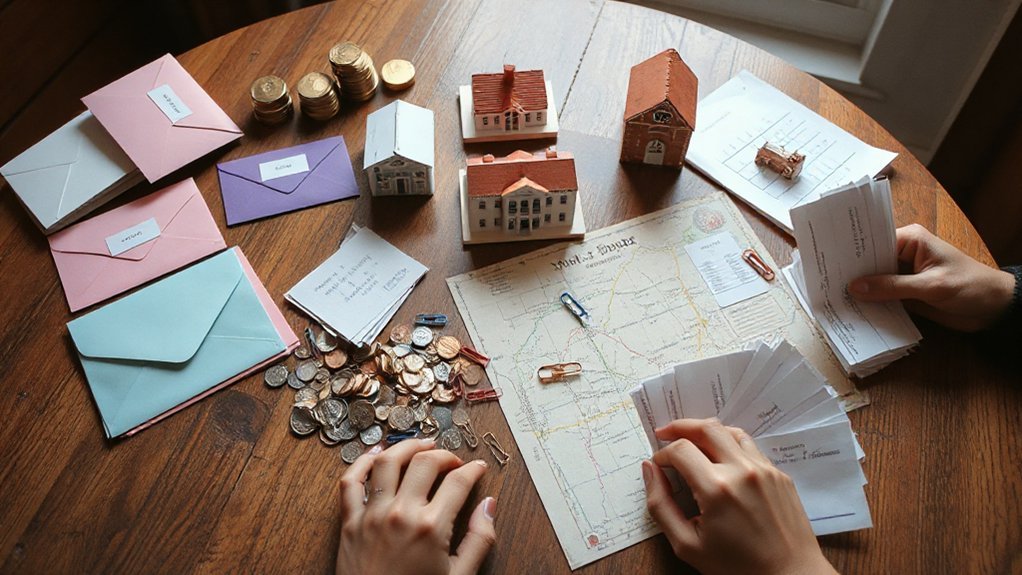
Okay, you know where the money piles up; now meet the two bullies that shove it around: headcount and where you plant the party. Add people, add plates, add everything. Every ten guests are another table, another centerpiece, another shuttle bus that someone forgot to budget. That’s Guest Dynamics, the domino effect with snacks.
Location? Oh, it’s loud. Local Culture sets prices and expectations. Beach town crab cakes aren’t cheap, mountain venues need vans, city lofts charge you for breathing. You don’t fight the zip code; you plan around it.
Picture it:
| Shift | What It Does |
|---|---|
| +20 guests | Two more tables, bigger bar bill |
| Downtown venue | Higher fees, late-night transport |
| Remote farm | Rentals, generators, longer staffing |
Fewer folks, cheaper; closer venues, calmer invoices, overall.
Smart Splurges vs. Easy Saves Based on Real Trade-Offs

While you can nickel-and-dime a wedding to death, the trick is spending where it actually shows and slashing where it doesn’t. Splurge on photos, always; you’ll frame them, your mom will cry over them, your grandkids might roast them. Put money into food quality, not a fifth entree; good chicken beats sad seabass options. Music? Pay for a pro who reads a room, saves your dance floor from tumbleweeds. Save on chairs, linens, and programs—nobody remembers a napkin hem. Go seasonal with flowers, skip orchids, live another day. Use Vendor negotiation like a sport, smile, then ask for a throw-in. Flex your date; Timeline flexibility opens off-peak rates, better crews. And yes, favors? Edible or nothing. Soap isn’t love. Your budget will thank you.
Hidden Costs Couples Don’t Expect

Because weddings love fine print, the line items that ambush you aren’t the flashy ones. They’re the boring gremlins: overtime, corkage, postage, vendor meals, parking, cleanup. You nod, they multiply. Then there’s ceremony sound, chairs you assumed existed, and that adorable shuttle you suddenly, desperately need. After the confetti, Name changes, Insurance increases, and document fees appear like uninvited cousins. Romantic, right?
| Sneaky cost | Why it bites | Pro tip |
|---|---|---|
| Overtime | Clock runs out mid-dance | End early, or budget buffer |
| Service fees | Percentages stack quietly | Ask for out-the-door totals |
| Postage/weights | Fancy invites weigh bricks | Test-mail one first |
| Vendor meals | Crew eats too | Count them, choose simple |
Also, delivery minimums, permit hiccups, hotel bags, and weird taxes. You’ll grumble, then thank yourself later. Seriously, trust me.
Build Your Budget: Percentages, Ranges, and Sample Plans

If you want a wedding that doesn’t torch your savings, start with percentages—the boring heroes that keep you from panic-buying a champagne wall at 1 a.m. Try a simple split: 40% venue and food, 10% photo and video, 10% attire and beauty, 10% music, 10% decor and flowers, 5% stationery, 5% officiant and ceremony, 5% transport, 5% cushion. Ranges help real life: bands run high, DJs less; peonies, pricey, greenery, sane. Build three sample plans with budget templates: city loft blowout, backyard feast, weekday micro-wedding. Then match funding strategies to reality—savings, monthly cash flow, tiny side hustles, not Uncle Greg’s “IOU.” Review monthly, shift money when quotes change, protect the cushion. And yes, cut favors. Nobody eats soap. Spend on moments, not dust collectors.
Conclusion
Here’s the deal: treat your budget like a crowded subway car—you decide who gets a seat. Feed guests first, lock photo and music next, then toss decor whatever’s left. Cut headcount, not joy. Dodge overtime, read contracts, stash a cushion, yes, like grandma’s coffee can. Splurge where it lasts, save where no one cares. You’re steering, not the vendors. Breathe, negotiate, walk away when needed. Do that, and your cake tastes sweeter, even at midnight.






Leave a Comment